Do you remember how, over the past several years, we at Green Squad warned about the brutal devastation of the forest wealth in the protected Crna Mlaka area near Jastrebarsko? Well, the story is continuing in an unbelievable direction. Unfortunately, it is nothing good for this area, which is under strict protection within the Natura 2000 ecological network and which is listed under the Ramsar Convention as a wetland of international importance, especially as a habitat for waterbirds. A series of new discoveries began with a single phone call…
Namely, Green Squad received a call for help from the local residents of Donja Zdenčina, so several of us headed there on Saturday morning. In Donja Zdenčina, we were welcomed by Ivana Mavračić-Miković, a municipal councillor of the Municipality of Klinča Sela who lives in Zdenčina, along with Božica Pauker, president of the Local Committee of Donja Zdenčina – old part, and Ivan Šinković, member of the Local Committee of Donja Zdenčina – old part.
“Something strange is happening in Donja Zdenčina,” we concluded immediately after meeting them. The residents are alarmed, surrounded by foul-smelling streams they call “open septic pits,” all of which flows through their ancestral land and into Crna Mlaka. Yes, that same Crna Mlaka from the
beginning of this story – protected by Natura 2000 and the Ramsar Convention. But there is more…
The trio who welcomed us took us to the place in Donja Zdenčina where sewage flows into the Lukavec stream. They say that excessive construction in Klinča Sela is to blame, where large residential buildings are being erected while the sewage issue remains unresolved, causing
everything to flow into the Lukavec stream and onward toward Crna Mlaka.
“Sewage contents are spilling into open areas through the streams near the NK Zdenčina football field, and continue flowing further, even through the old part of Donja Zdenčina. Everything from the sewage outlet ends up here. We were told it was tannin. But we are certain it is not tannin, and we want those who said that to prove it. The same goes for the contents of the stream in Donja Zdenčina near the playground. We are worried, we want a solution, we want a safe and healthy life, we want something to finally move forward because for years, through our utility fees, contributions
and paid sewage system connections, we have been seeking a solution, and we still do not have one,” Ivana Mavračić-Miković told us.
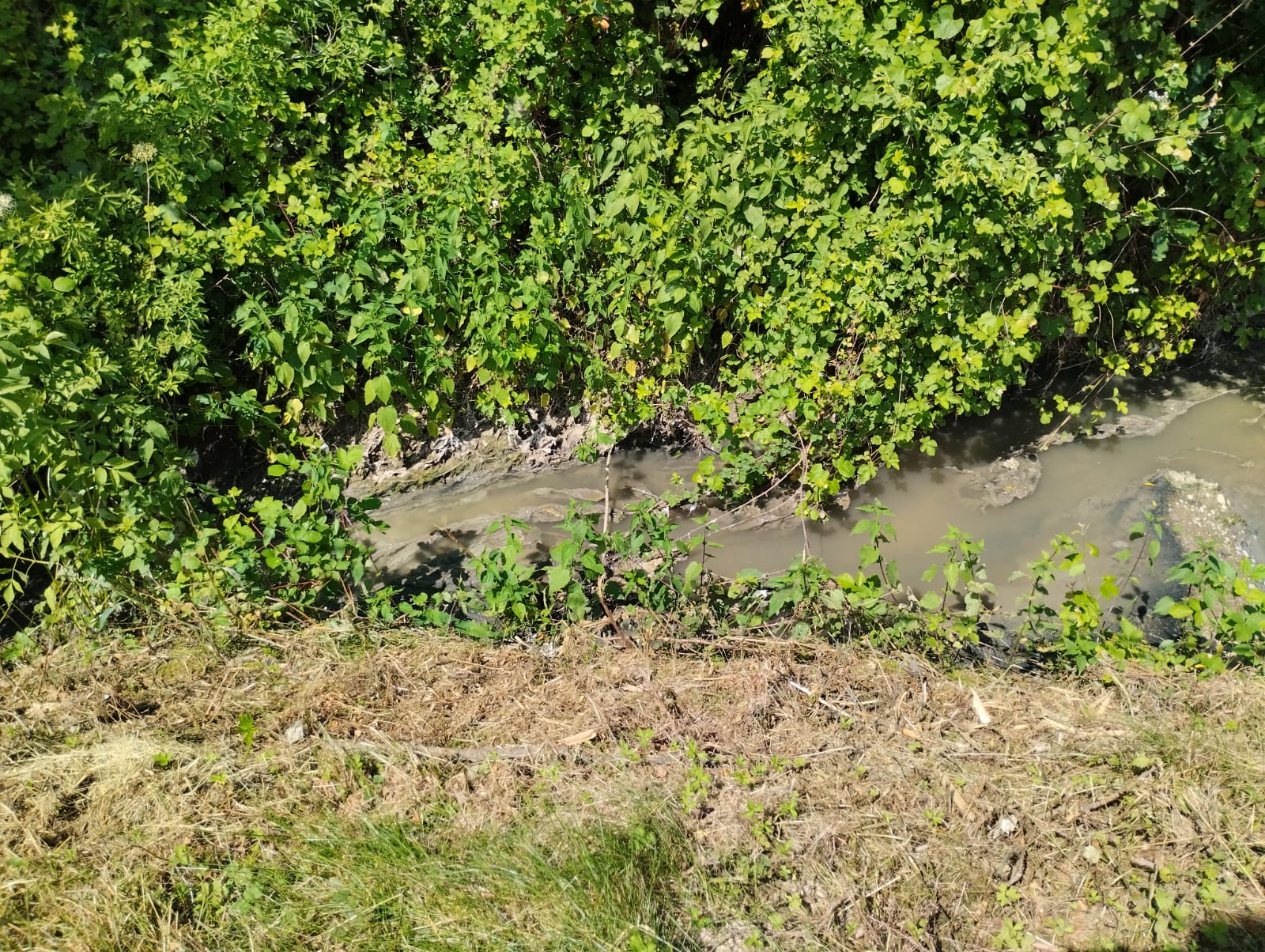
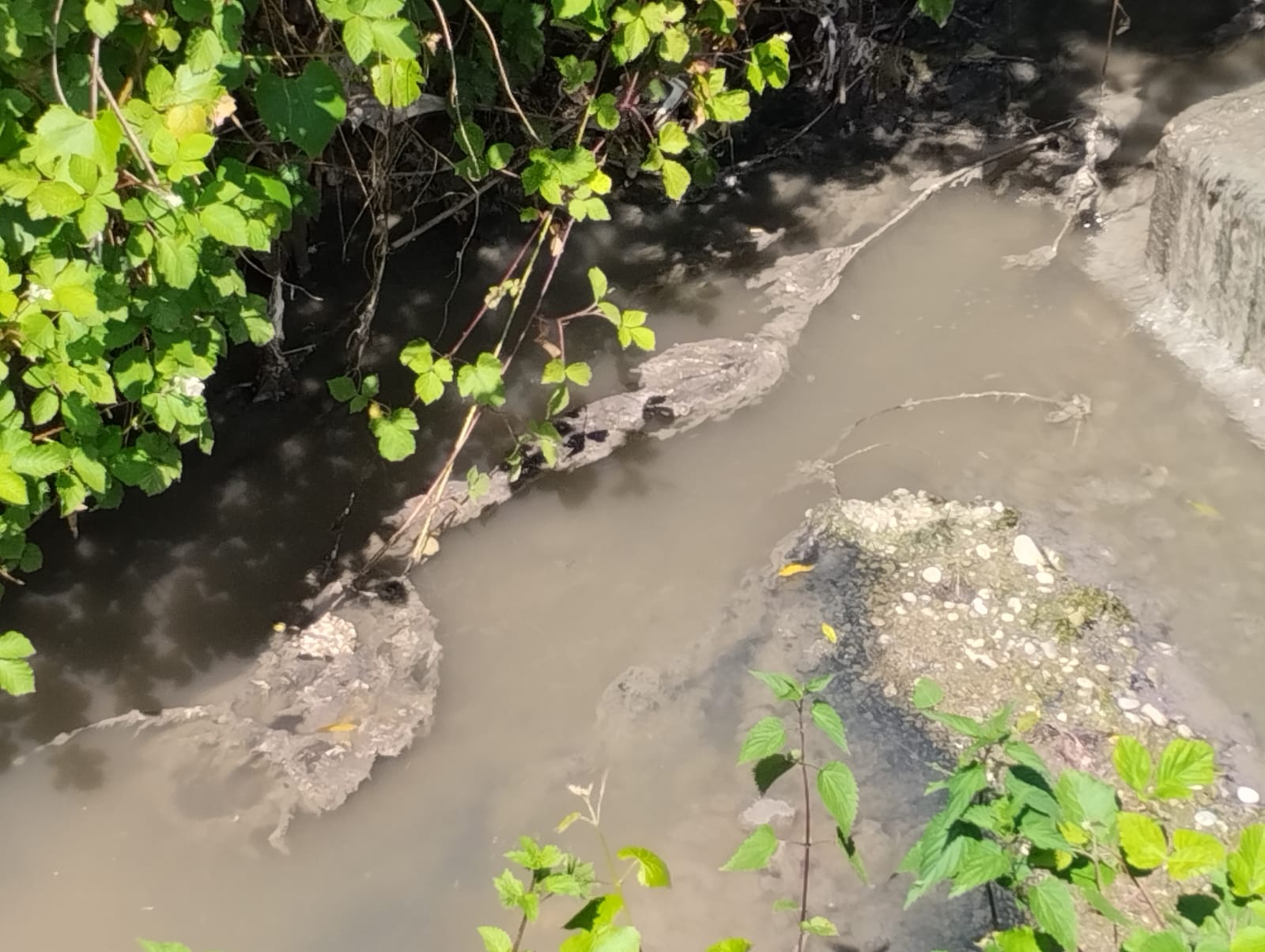
They say the municipal mayor told them the problem is temporary and that work is underway to find a solution, namely a wastewater treatment plant. However, they complain that this has already been going on for 16 years.
And all that time, while a solution is supposedly being sought, everything has been flowing into the Crna Mlaka fishponds, one of the most important resting sites for Ferruginous ducks in Europe, which, ironically, are among the most endangered duck species in Croatia, with their population declining throughout Europe as well.
“We were supposed to get a treatment plant in 2023, but there is still nothing. The main collector that leads to the future treatment plant site was built through this old part of Zdenčina. We keep asking questions, but there are no answers. We have a stream that stinks and is polluted. We live here, we walk here, children come here. Back when I was a child, we used to catch little fish here, and today… We contacted the Municipality, the utility company, VIO, Hrvatske vode, the Parliamentary Committee for the Environment, the Green Ring Institution, various parliamentary clubs. We sent more than 40 letters. Some were not answered within the legal deadline. For some, we received the absurd response that our letters were written by artificial intelligence, which only proves that they do not see us as people who actually live here. If I ask why this stream is dirty, because it is obviously dirty, I do not need artificial intelligence for that. Since September last year we have been sending inquiries. The only recent step was that Hrvatske vode came out, and Green Ring conducted inspections on two occasions, and they were the only ones to confirm that this is years-long pollution. It is a long-standing problem they are fully aware of,” says Božica Pauker.
And that long-standing problem, as you may guess, is also a problem for Crna Mlaka. “As natural wetland areas disappear due to drainage or river regulation, carp fishponds such as Crna Mlaka are extremely important. They have immeasurable ecological importance and play an irreplaceable role for European migratory birds travelling through the eastern Adriatic region,” it says on the Green Ring website. So presumably they know what they are talking about.
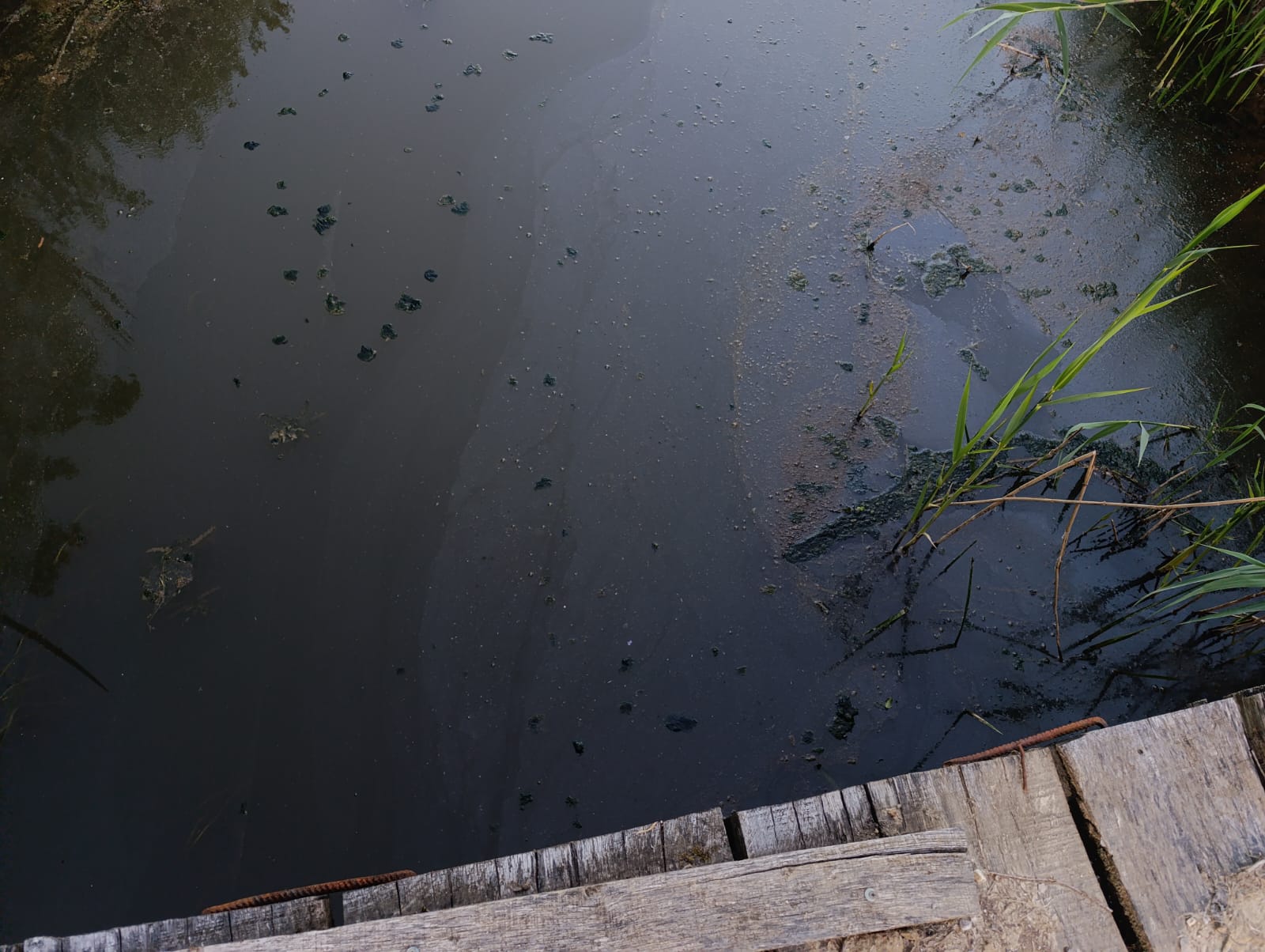
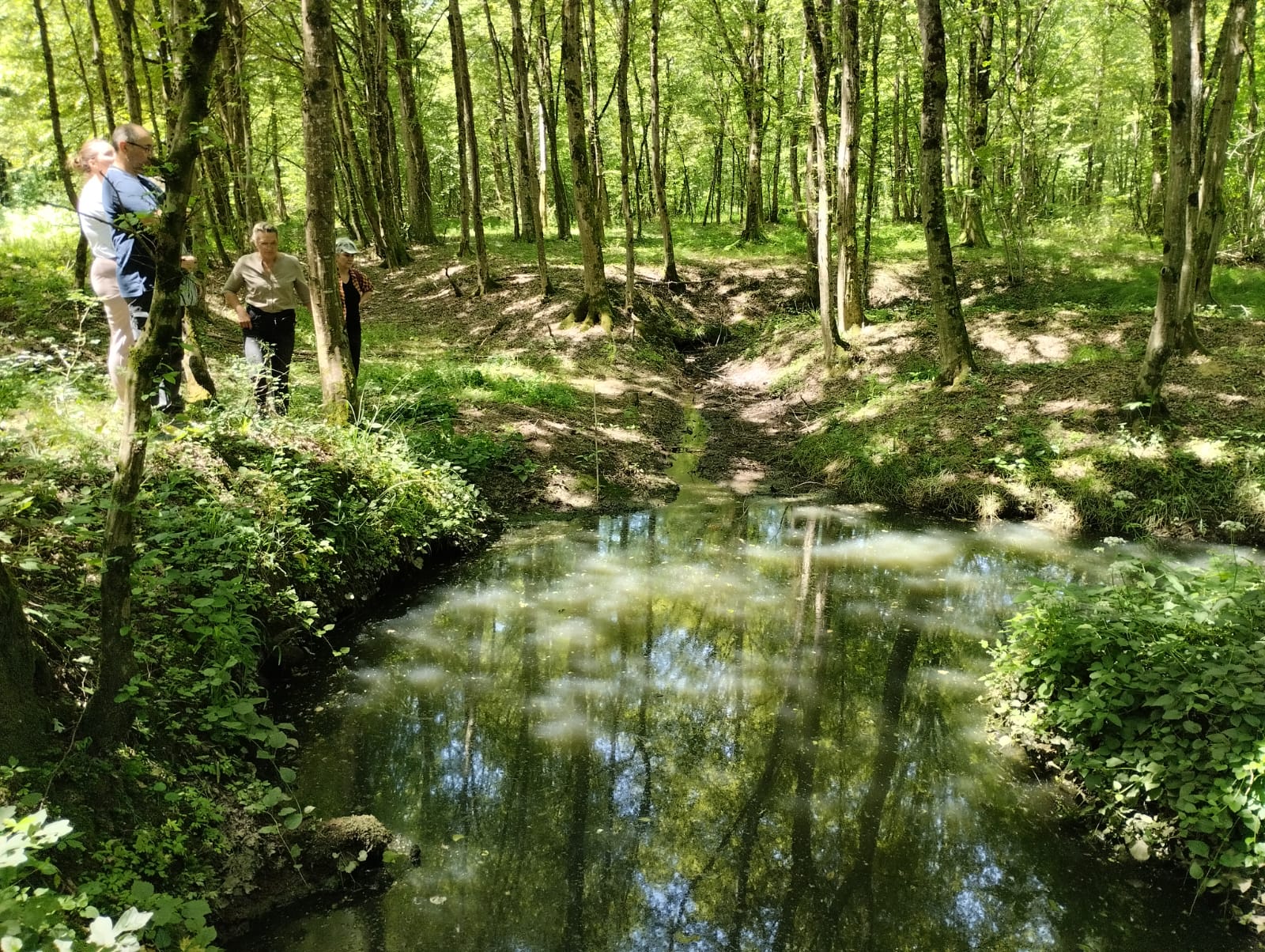
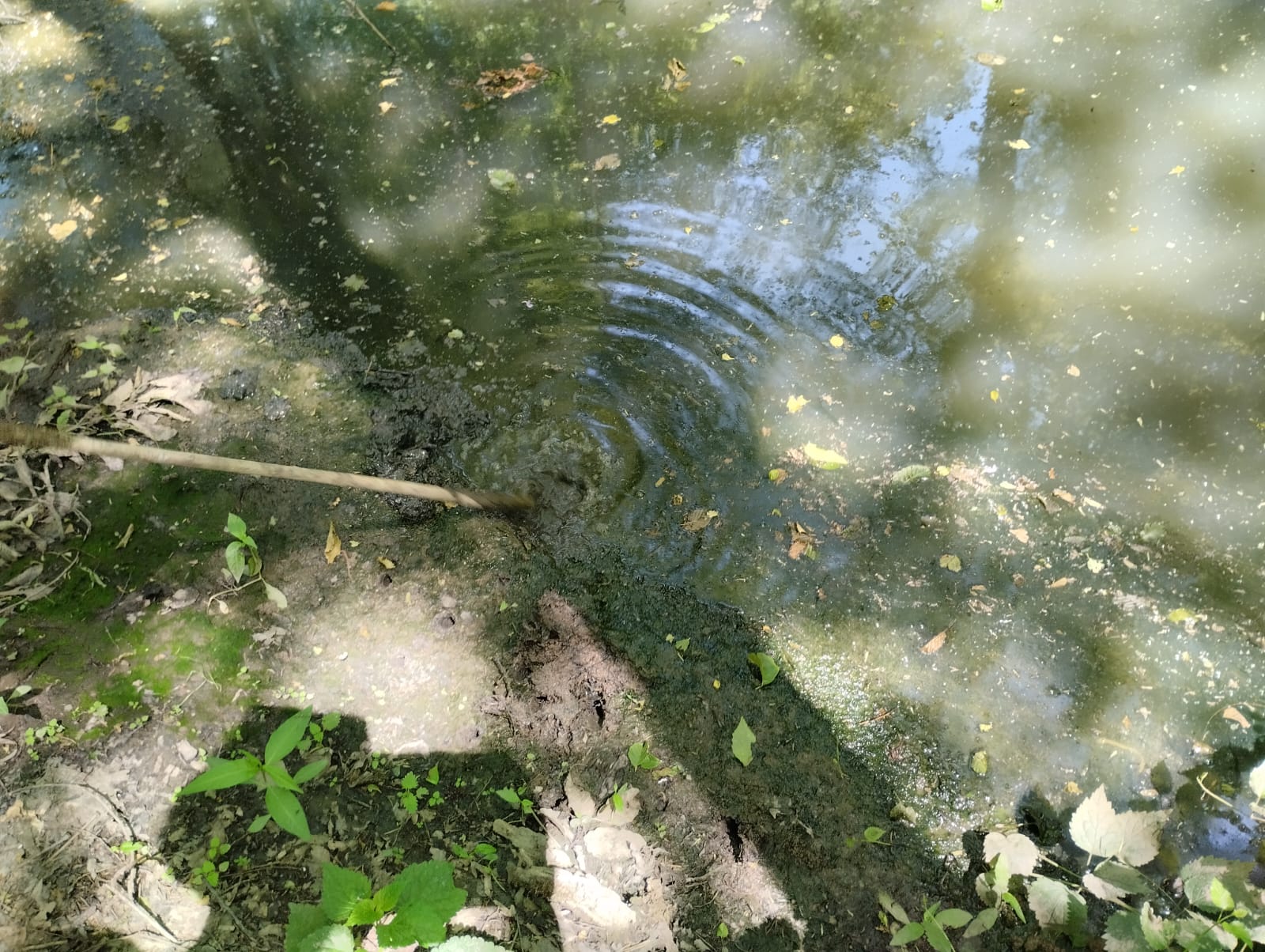
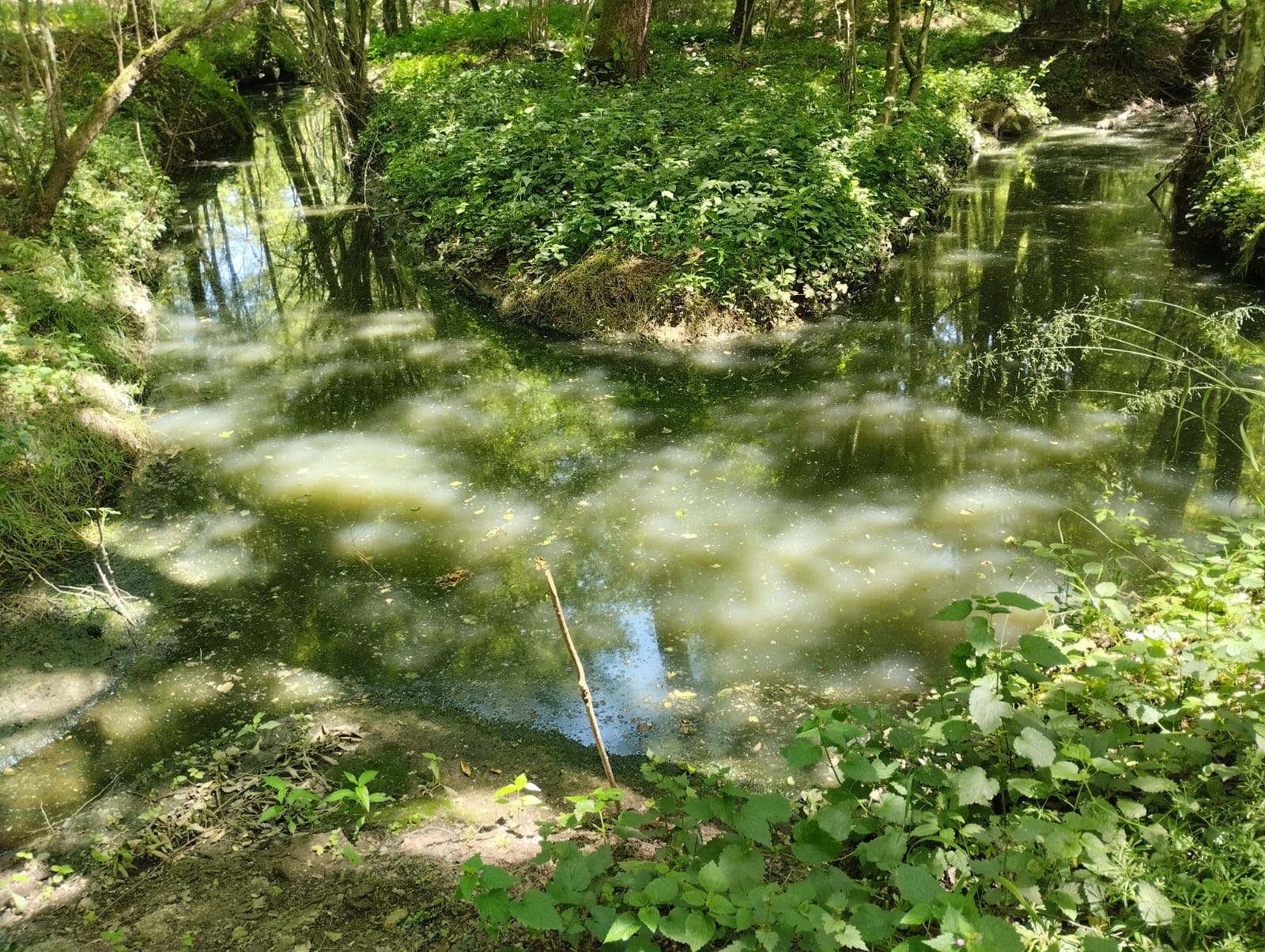
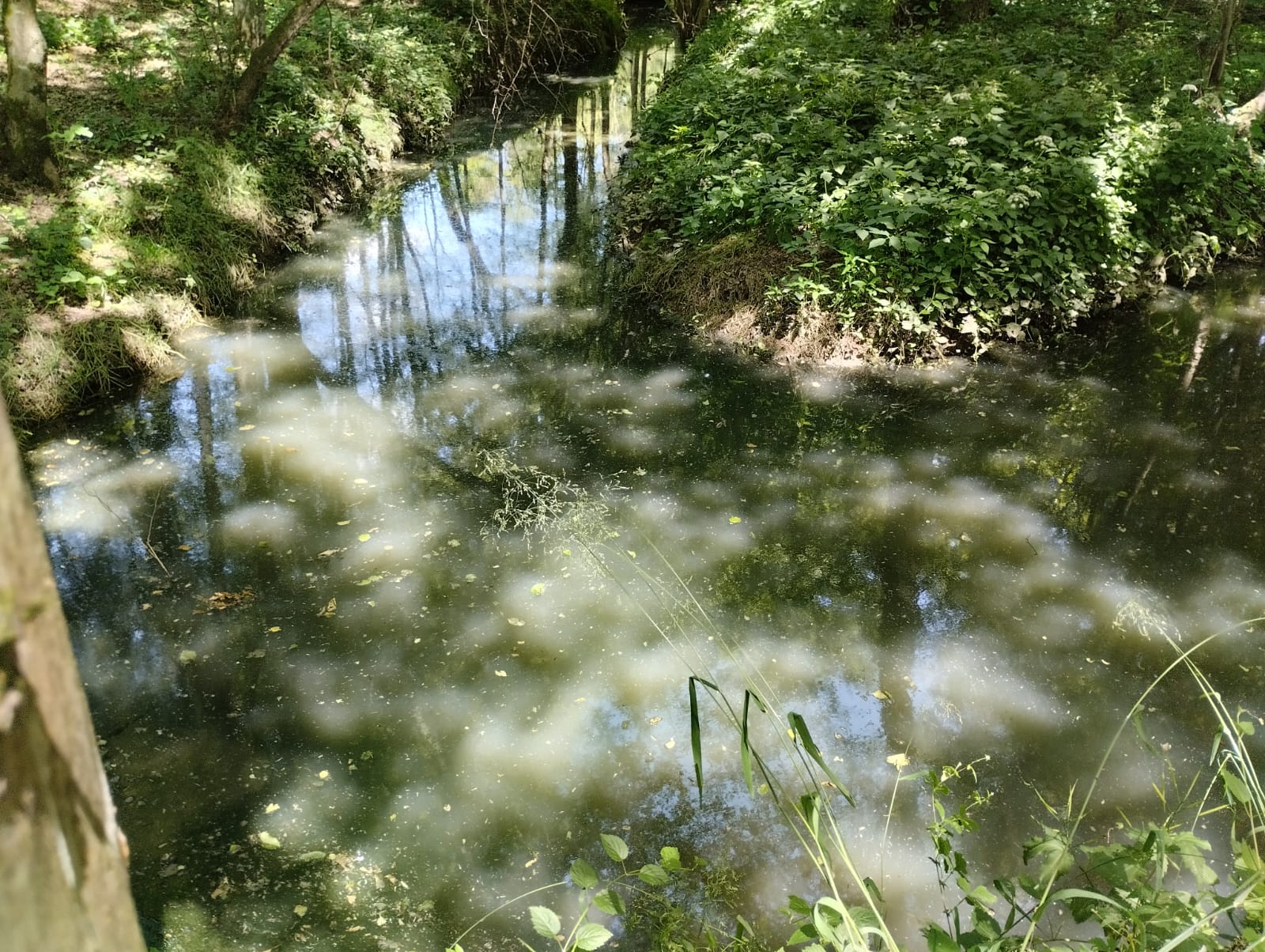
Ivana stresses that institutions constantly tell them everything is fine and that work is being done. “We specifically asked how this ‘open-air septic pit’ will be solved because, in my opinion, this is exactly what it is. I do not know what else to call it. All of this flows directly into Crna Mlaka, which is part of an international ornithological reserve protected by the Ramsar Convention; we are part of the Danube basin, Natura 2000, the village of storks is here… If it is this bad above ground, what is happening below, what condition are the groundwater reserves in? This is forest land, people come here with children, this is the place that stinks, the place where people leave the motorway before the Zagreb exit when traffic gets congested. People stop here, camp, let their dogs and children run around, without knowing what they are stepping into. Apart from us local residents being endangered by everything flowing here, we all have wells from which we take water to irrigate our gardens, and our animals drink this water too. We are called Zdenčina because we are known for our wells. Beneath the village there are natural springs, four or five of them. In the forests there are two or three wells from which people once took water when going to pasture. I no longer know whether our well water is even usable anymore with all of this standing here like this. Our houses are only about 800 metres away from this,” Božica tells us while pointing to the black stagnant water that is called a stream. And we know a stream is not stagnant water, but flowing water, right…
“VIO Zagreb sent us the water analysis results which we showed you. The results are above the permitted limits for discharge into surface waters, exceeding the maximum allowed values. There are many people standing behind us who want this problem solved, people with expertise and
knowledge. The owner of Crna Mlaka also joined us and said – ‘people, all of this ends up with me.’ We are simply waiting for the very worst part to begin happening,” our interlocutors in the field told us.
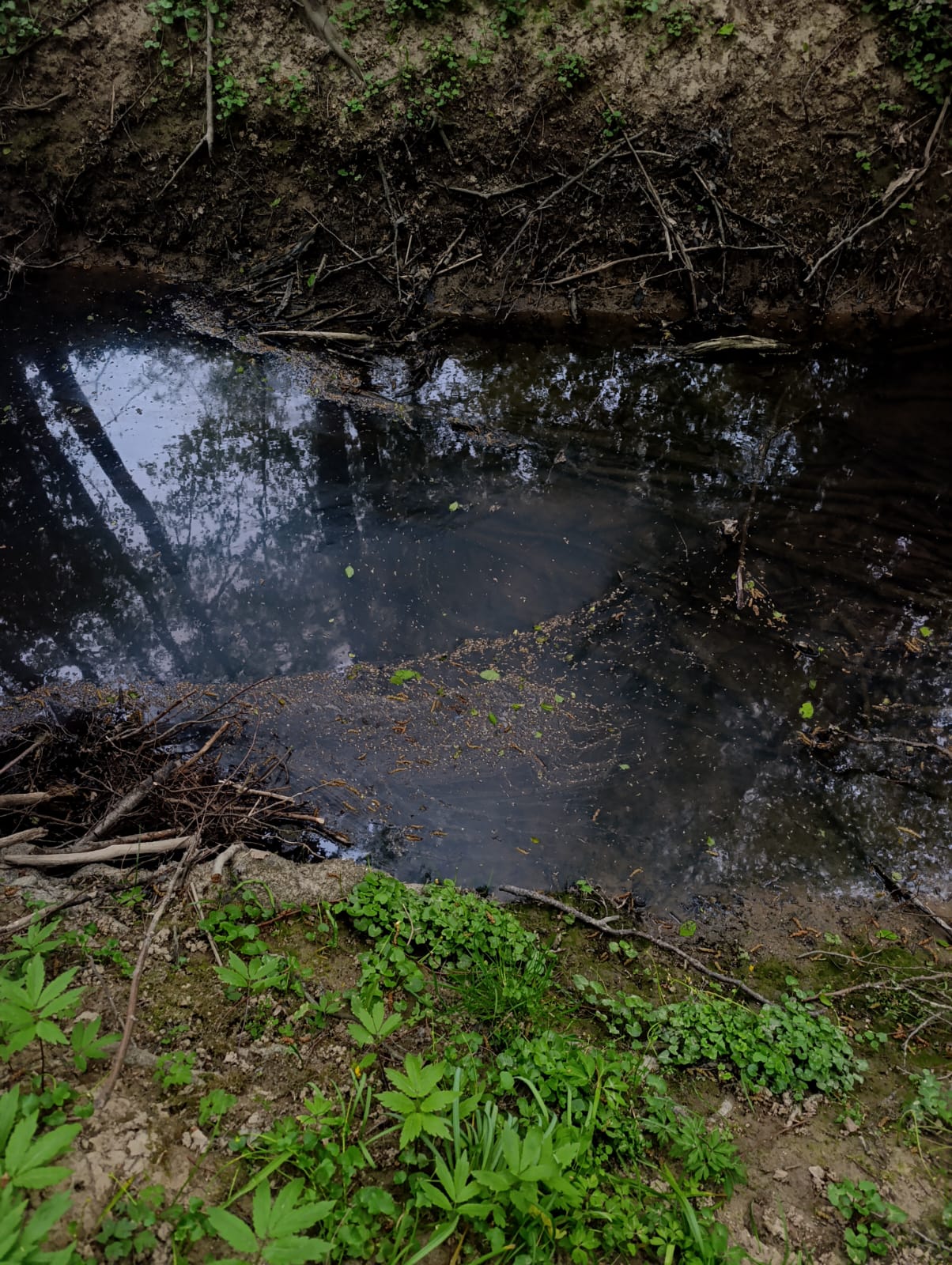
Having seen with our own eyes what is happening there, we believe them when they say that in the evenings the stench is so unbearable they cannot sit on their terraces and must lock themselves inside their homes. “Everyone who wants to escape Zagreb for nature, buy a house and live in this area, will ultimately have to live even worse than in Zagreb because they will not be able to breathe due to the smell,” Božica comments.
She says that in the past all residents of this area had cows and pigs, yet it never smelled like it does now. “We cannot defend ourselves from the invasion of flies once it starts. Never fewer animals in the village, yet never more flies. Something is not right. We are persistent, we will not give up, this is only the beginning,” they conclude.
We will continue to monitor how the struggle in Donja Zdenčina develops. We are convinced that something there is seriously wrong. Since many things are also no longer functioning properly in Crna Mlaka — where, in addition to massive deforestation, dead fish are already floating on the lakes — we will not hesitate to report this discovery directly to the European Commission as well.